Dynamic pressure and subjective sensation of medical compression garments
Park Y. R.¹, Choi H. E.¹,²†
1 Department of Fashion and Textiles, Seoul National University, Republic of Korea
2 Research Institute of Human Ecology, Seoul National University, Republic of Korea
Introduction
This study investigated the dynamic pressure variability and subjective sensation of medical compression garments during daily movements. Medical compression therapy requires precise and differentiated pressure levels depending on the patient’s condition; however, existing pressure standards are mainly based on static postures. Therefore, pressure may exceed the intended therapeutic range when patients perform various daily movements.
Research Method
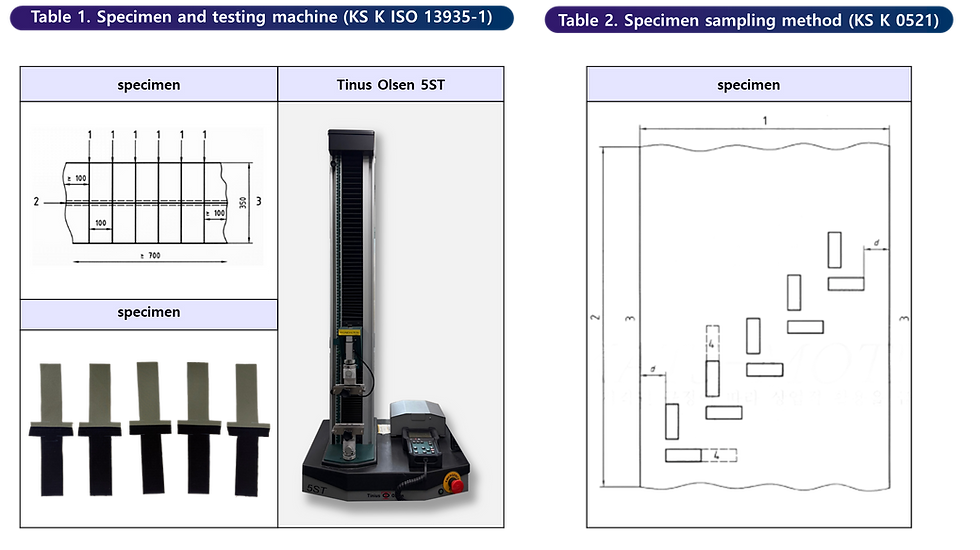
A female participant corresponding to the average body size of women in their 30s from the 8th Size Korea survey was recruited, and a CCL3-grade medical compression garment was tested. Clothing pressure was measured using Novel-texsens® sensors at six lower-body locations based on the RAL-GZ 387 standard. Eight daily movement conditions were examined, including bending, stair climbing, sitting and standing, lying down and getting up, and walking on flat and inclined surfaces at different speeds. The 90th percentile maximum pressure, pressure range, and coefficient of variation (CV) were calculated to evaluate pressure stability, along with subjective wear sensation.
Result & Discussion
Among the eight experimental movements, level walking at 3 km/h showed the most stable periodic pressure waveforms across all measurement sites and additionally included measurement at the ankle.

Based on this condition, maximum pressure was highest at the ankle (11.67 kPa), followed by the front of the knee (7.60 kPa), back of the knee (6.07 kPa), upper posterior thigh (5.74 kPa), posterior area above the knee (5.33 kPa), upper anterior thigh (3.97 kPa), and mid-thigh (3.39 kPa)

Despite the high pressure and movement-related pressure range at the ankle (11.38 kPa), the participant perceived this region as providing stable support. In contrast, discomfort was reported at the thigh and posterior knee-fold regions despite their lower pressure values. Notably, the coefficient of variation at the upper posterior thigh reached up to 100.2% during walking, indicating severely reduced pressure stability.

This suggests that unnecessary pressure caused by fabric bunching during repetitive flexion may induce a perceived bodily resistance greater than that indicated by the absolute pressure value.
Analysis of the movements and body regions showing the widest pressure ranges revealed that the upper posterior thigh had the greatest range during forward bending, sit-to-stand, and supine-to-stand movements, at 1.99 kPa, 6.67 kPa, and 33.14 kPa, respectively. However, in the supine-to-stand movement, the pressure measured at the upper posterior thigh resulted from direct contact with the ground and body-weight loading rather than pressure between the garment and the body. Excluding this region, the posterior area above the knee showed the widest garment-body pressure range during this movement, at 13.98 kPa.
The posterior area above the knee also showed the greatest pressure range during stair ascent/descent, supine-to-stand, and all walking conditions. Its range was 15.19 kPa during stair ascent/descent and 13.98 kPa during supine-to-stand. Among the four walking conditions, level walking at 5 km/h showed the widest range (9.12 kPa), whereas inclined walking at 3 km/h showed the narrowest range (7.77 kPa). The overall distribution of pressure values across the eight movement conditions is presented in Figure 2.

Conclusion
Overall, this study provides empirical evidence that subjective discomfort is not determined solely by pressure magnitude. The findings suggest that dynamic pressure behavior should be considered when evaluating medical compression garments and may serve as basic data for improving current static pressure standards.
References
Hill, J., Howatson, G., van Someren, K., Davidson, S., & Pedlar, C. (2014). Pressures exerted by commercially available lower limb compression garments. British journal of sports medicine, 48(7), 608-608.
Xiong, Y., Tao, X. (2018). Compression garments for medical therapy and sports. Polymers, 10(6), 663
RAL Institute. (2014). RAL-GZ 387/1: Medical compression hosiery. German RAL Institute.


댓글